The No Contact Rule: Does It Work & How to Use It Effectively
The No Contact Rule: Does It Work & How to Use It Effectively
The No Contact Rule (NCR) has become a popular strategy for navigating breakups and dealing with difficult relationships. It involves completely cutting off communication with an ex-partner or someone who has caused you pain, for a set period of time. While it may seem drastic, proponents argue that it can be a powerful tool for healing, self-reflection, and ultimately, creating positive change in your life. However, understanding when and how to implement the NCR effectively is crucial. This article explores the potential benefits and drawbacks of the No Contact Rule, along with detailed instructions on its proper application.
Does the No Contact Rule Work?
The efficacy of the No Contact Rule is a subject of ongoing debate. There is no scientific consensus on its effectiveness, and experiences vary greatly from person to person. However, there are several potential benefits associated with this strategy.
Potential Benefits of the No Contact Rule
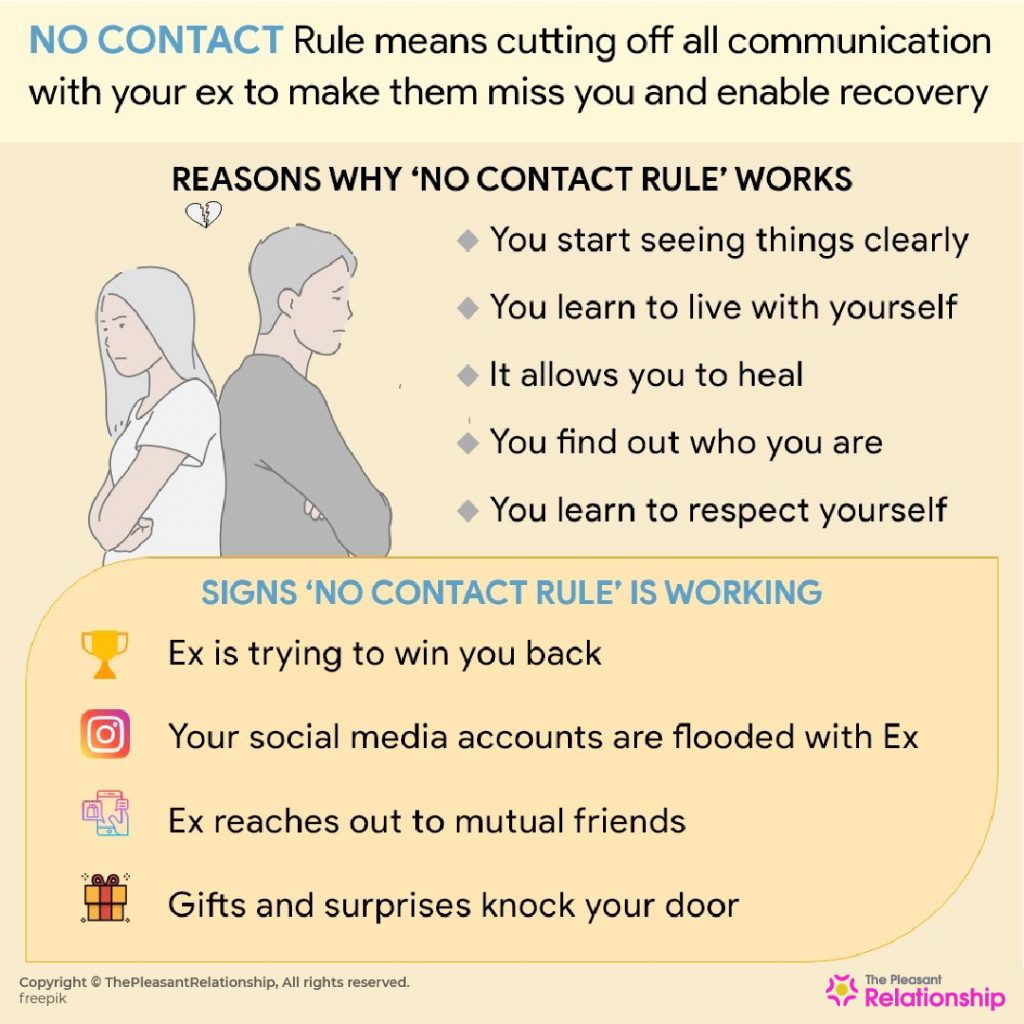
- Emotional Distance and Healing: The primary aim of the NCR is to create emotional distance from the other person, allowing you to focus on your own well-being and process the emotions associated with the breakup or relationship issues. This can be particularly helpful in cases where you are still deeply attached to your ex-partner and struggling to move on.
- Self-Reflection and Growth: The enforced break from communication can provide valuable time for self-reflection. It allows you to examine your role in the relationship, identify your own needs and boundaries, and develop a plan for your future. This period of introspection can foster personal growth and self-awareness.
- Reducing Contact-Triggered Pain: Repeated contact with an ex-partner can exacerbate emotional distress and prolong the healing process. The No Contact Rule eliminates this trigger by cutting off all communication, minimizing the risk of feeling hurt or triggered by their actions or words.
- Clarity and Perspective: With time and distance, you may gain a clearer perspective on the relationship and its issues. This newfound clarity can help you make informed decisions about the future, including whether or not reconciliation is a viable option.
- Demonstrating Strength and Independence: Breaking off all contact can demonstrate your strength and ability to move on. It can also show the other person that you are serious about creating space and prioritising your own well-being.
Potential Drawbacks of the No Contact Rule
While the No Contact Rule can be beneficial for some individuals, it's not a guaranteed solution and can even be detrimental in certain situations.
Potential Drawbacks of the No Contact Rule
- Difficulty in Maintaining: Adhering to the No Contact Rule can be extremely challenging, especially if you are still deeply attached to the other person. You may find yourself tempted to break the rule, which can lead to further emotional distress and prolong the healing process.
- Unrealistic Expectations: The No Contact Rule is not a magic solution for all relationship problems. It does not guarantee reconciliation, nor does it guarantee personal transformation. It is simply a tool for navigating difficult situations, and its success depends on various factors.
- Avoiding Necessary Conversations: In some cases, the No Contact Rule can prevent the necessary conversations that need to occur for both parties to heal and move forward. Avoiding communication can sometimes leave unresolved issues hanging, hindering future progress.
- Ignores Underlying Issues: The No Contact Rule may provide a temporary solution, but it doesn't address the underlying issues that led to the breakup or conflict. It is crucial to address these issues in the long run for healthy personal growth and future relationships.
- Potentially Damaging for Co-Parenting: In cases of shared custody or co-parenting, the No Contact Rule can be detrimental to children and hinder their well-being. Maintaining open and respectful communication with the other parent, even if the relationship is difficult, is crucial for the sake of the children.
How to Use the No Contact Rule Effectively
If you decide to implement the No Contact Rule, it is important to approach it strategically and with a clear understanding of your goals.
Implementing the No Contact Rule Effectively
- Clearly Define Your Goals: Before implementing the No Contact Rule, determine your objectives. Are you seeking time to heal, reflect, or improve your own life? Or are you hoping for reconciliation with your ex-partner? Having clear goals will help you stay focused and avoid confusion.
- Choose a Suitable Duration: The length of the No Contact Rule depends on individual circumstances. A common recommendation is 30 days, but it can range from a few weeks to several months. The key is to allow yourself enough time to heal and gain clarity without feeling pressured to return prematurely.
- Cut Off All Communication: The No Contact Rule requires complete and absolute separation. This includes phone calls, text messages, social media interactions, emails, and any form of contact, whether direct or indirect. It may be necessary to block their number, unfollow them on social media, and avoid places where you might encounter them.
- Focus on Yourself: Utilize the No Contact Rule period to prioritize self-care and personal development. Engage in activities you enjoy, reconnect with loved ones, pursue your passions, and work on your personal growth.
- Seek Support: Don't hesitate to seek support from friends, family, therapists, or support groups during this challenging time. Having a strong support system can help you stay motivated and grounded during the No Contact Rule period.
- Be Realistic About Outcomes: Remember that the No Contact Rule is not a guaranteed solution. It is a tool for personal growth and healing, not a guarantee of reconciliation or specific outcomes. Focus on the positive changes you are making in your life, regardless of the outcome of the relationship.
- Consider Professional Help: If you find the No Contact Rule incredibly challenging or experience significant emotional distress, don't hesitate to seek professional help from a therapist or counselor. They can provide guidance, support, and strategies for coping with the situation.
Conclusion
The No Contact Rule can be a valuable tool for navigating difficult relationships and fostering personal growth. However, it is not a universal solution and its effectiveness depends on individual circumstances and goals. It is crucial to implement the NCR strategically, with a clear understanding of its potential benefits and drawbacks. Ultimately, the decision to use the No Contact Rule should be based on careful consideration of your individual needs and the specific context of your situation. Remember, it is a tool to aid your personal growth, not a magic bullet. Seek professional guidance when needed, and prioritize your own well-being throughout the process.

Post a Comment for "The No Contact Rule: Does It Work & How to Use It Effectively"